
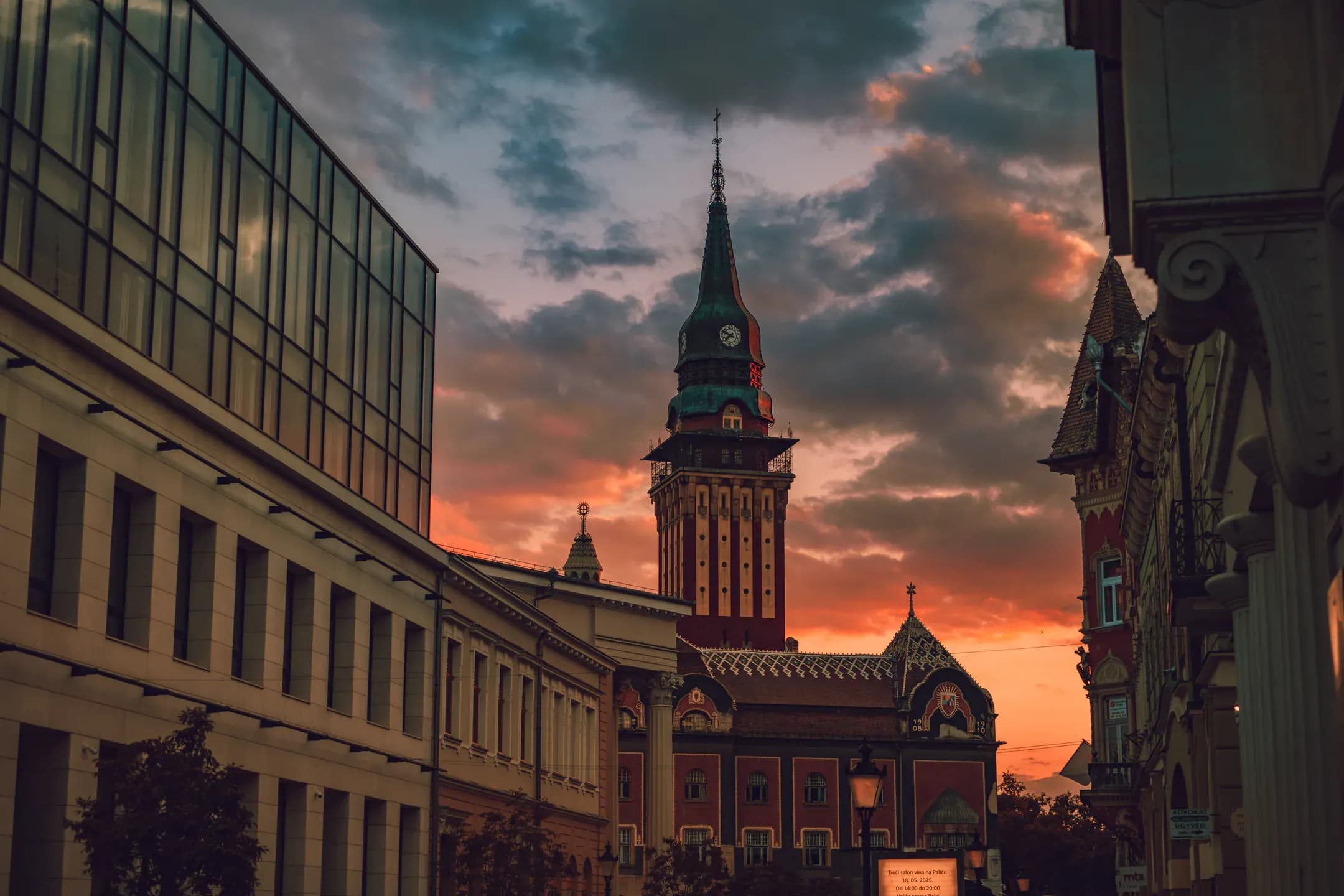
Subotica - The City of Art Nouveau
- Andrej Ivanovski
Located in northern Serbia, Subotica is a city that feels like an enchanted world from the moment you arrive.
Its greatest charm lies in its many Art Nouveau buildings, which preserve the strong influence of the Habsburg era and Hungarian architecture. In the 18th century, the city was also known as Maria-Theresiopolis, after the Austrian Empress Maria Theresa, who was also Queen of Hungary.
Throughout its long history, the city’s borders changed several times. Today, Subotica is home to a variety of ethnic communities, and four languages are in official use: Serbian, Hungarian, Croatian, and Rusyn.
A walk through the city reveals traditional Austrian and Hungarian streets, along with colorful Art Nouveau buildings in soft pastel shades. This atmosphere creates a distinctive experience that transcends national and cultural boundaries.
What to Visit
City Hall
City Hall, the symbol of Subotica, is decorated with roof tiles produced by the renowned Hungarian Zsolnay ceramics factory, as well as elaborate stained-glass windows. Its monumental appearance leaves a lasting impression on every visitor.
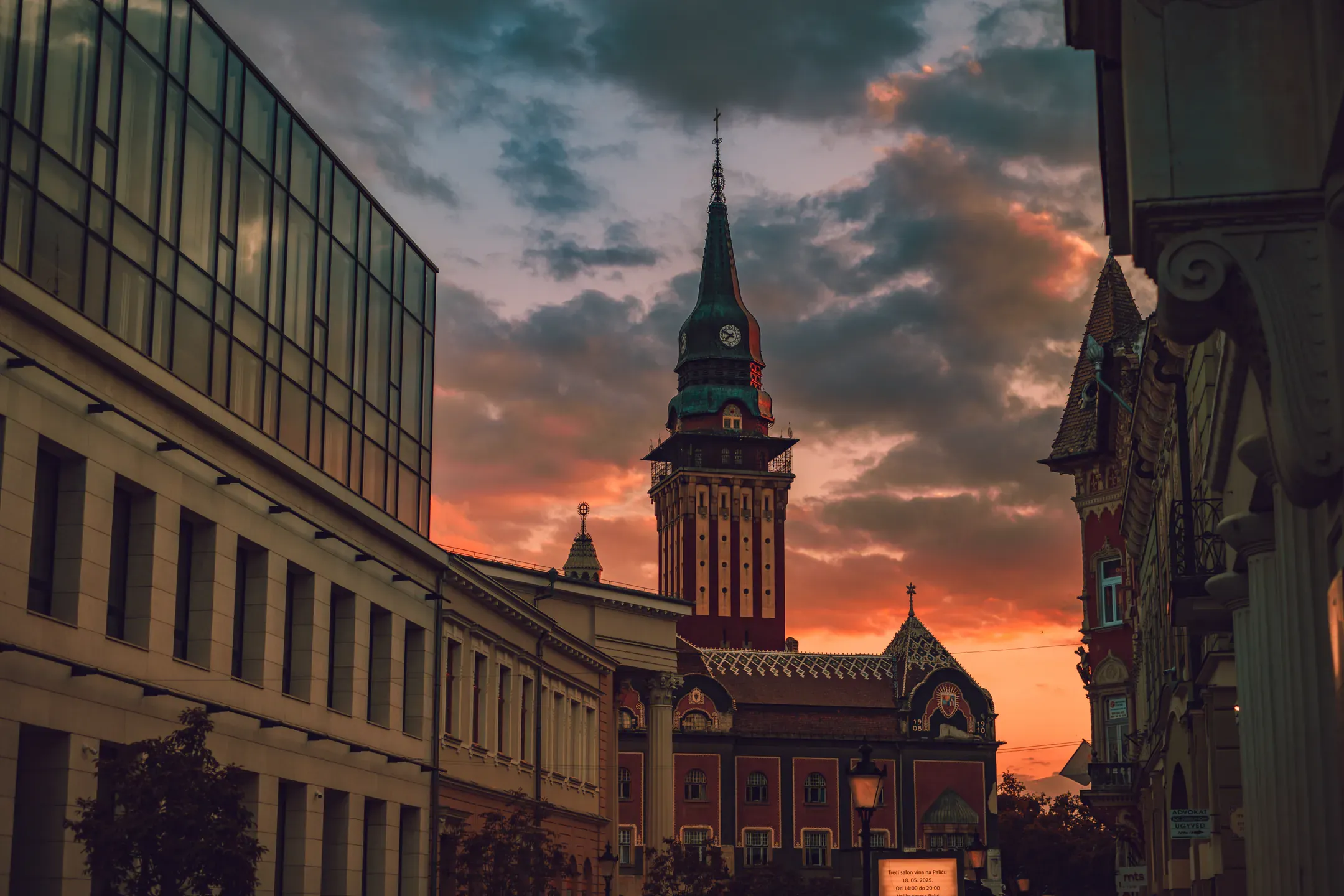
Raichle Palace
This building was once the home of the 19th-century architect Ferenc Raichle. Recognizable by its flowing lines and pastel colors, it is considered a masterpiece of Art Nouveau architecture. Today, it houses a modern art gallery.
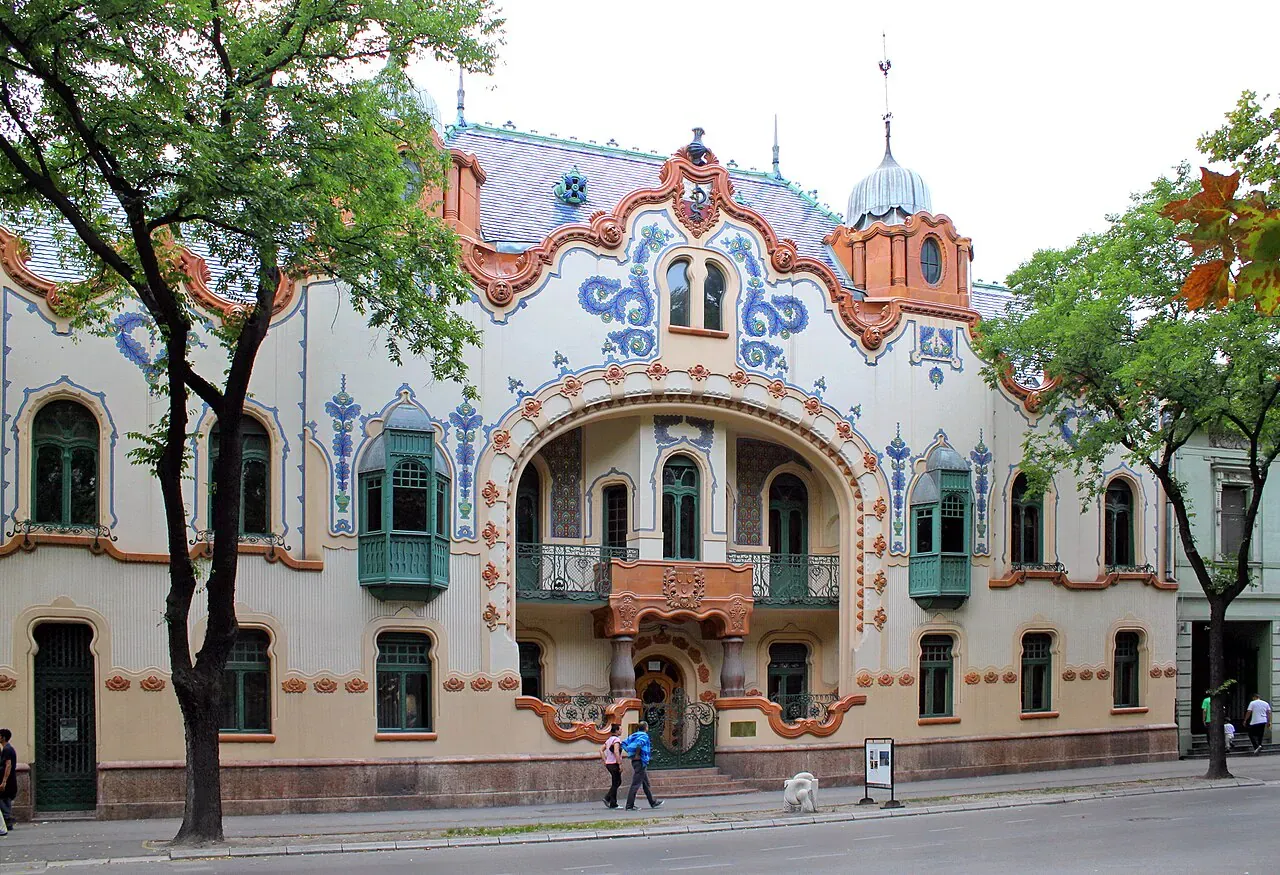
Synagogue
Completed in 1902, the Synagogue is one of Subotica’s best-known Art Nouveau buildings and is notable for its exceptional richness of detail. It is decorated with tiles from the Hungarian Zsolnay factory, featuring traditional Hungarian folk motifs such as flowers and peacock feathers.
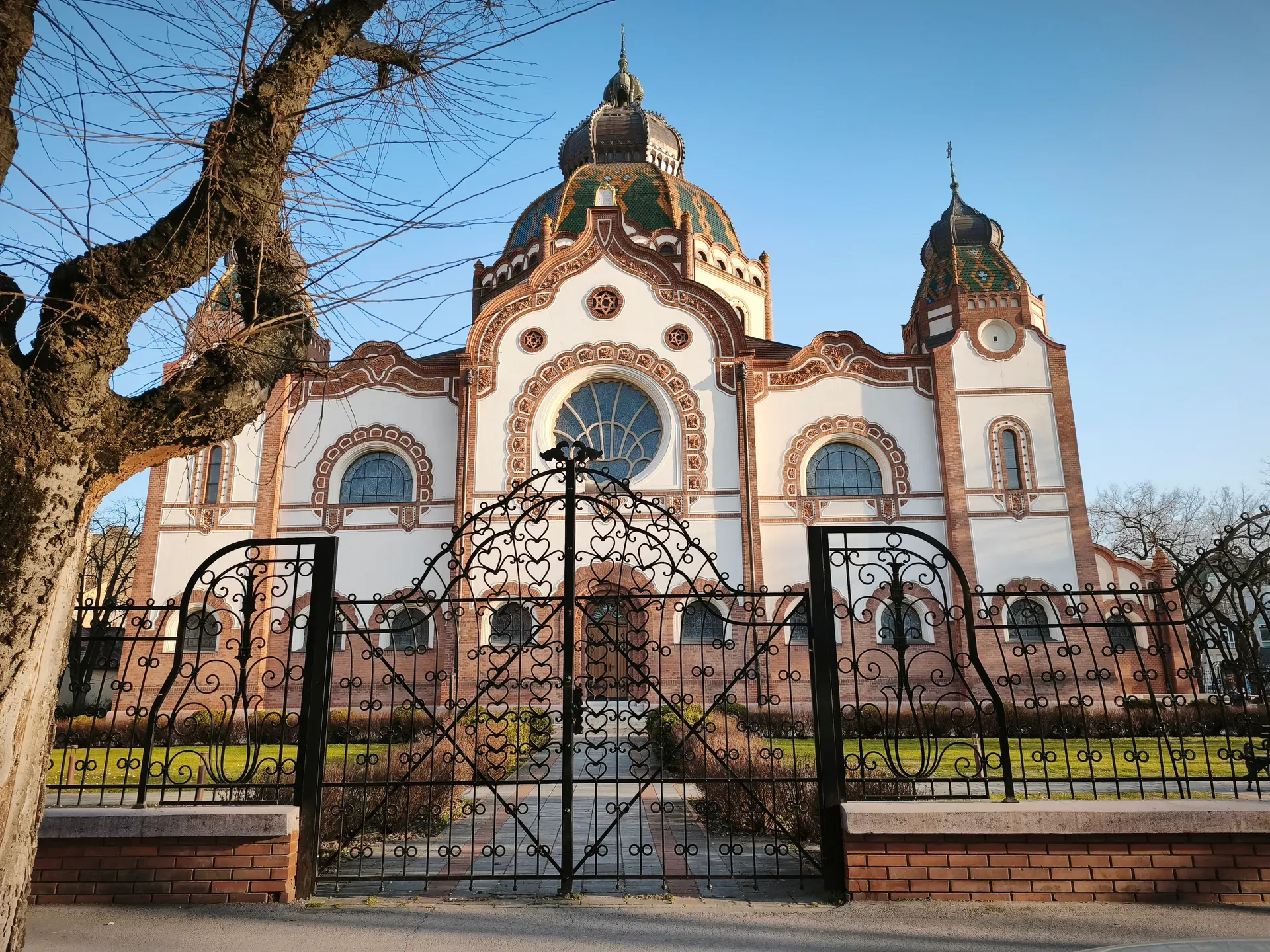
The interior, from the altar and chandeliers to the stained-glass windows, forms a harmonious whole while also displaying an abundance of carefully crafted details. Following a restoration project, the Synagogue regained its former splendor in 2018.
Lake Palić
Art Nouveau buildings can also be seen around Lake Palić, located approximately eight kilometers from Subotica.